

Stop Genetically Engineered Wheat
For 8,000 years, wheat has served as a staple crop for humankind. Now it's at risk.
For 8,000 years, wheat has served as a staple crop for humankind. Now it's at risk.
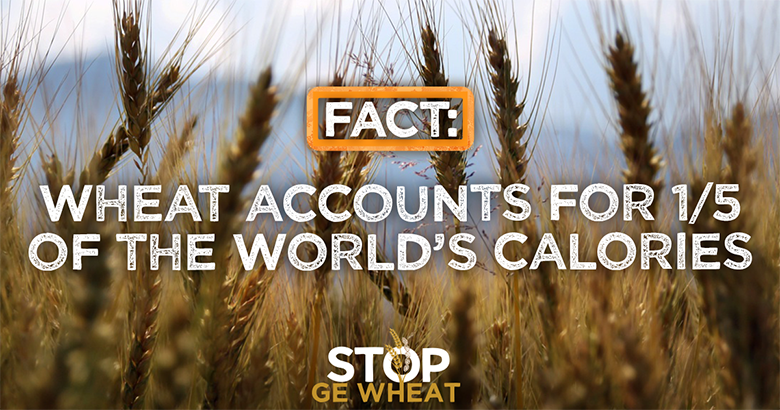
The introduction of genetically engineered wheat will threaten the environment, the world’s food supply, and our economy.
For 8,000 years, wheat has served as a staple crop for humankind. Today, it is the top traded agricultural commodity worldwide—grown on more acreage than any other crop and is the main source of calories for 20 percent of the world’s population.
This staple crop is now at risk. Bioceres Crop Solutions has released HB4 wheat, genetically engineered to tolerate glufosinate, a highly toxic herbicide banned in the European Union because of its links to reproductive and developmental harm. Despite these risks, HB4 is approved for use in the United States
Glufosinate has been linked to miscarriage, stillbirth, and birth defects. If this wheat is grown, glufosinate could be sprayed directly on wheat crops, likely leading to higher residues in everyday foods like bread, pasta, and cereal. Pregnant people, children, farmworkers, and frontline communities would be most at risk.
HB4 wheat would accelerate the use of pesticides and risks locking companies – and their farmer suppliers – into the “pesticide treadmill,” characterized by rising chemical use, resistant weeds, damage to soil health, and increased exposure to regulatory and legal liabilities related to environmental and human health impacts.
Instead, food companies and retailers should support farmers in adopting regenerative agriculture systems, like organic farming, that depend on building healthy soil, increasing biodiversity, and reducing reliance on synthetic chemical inputs. Genetically engineered wheat moves agriculture in the opposite and dangerous direction.
Genetically engineered wheat also threatens farmers economically. Nearly half of U.S. wheat is exported, yet major trading partners—including Mexico, Japan, and the Philippines—do not accept GMO wheat. Past contamination incidents with unapproved GMO wheat have triggered import suspensions, costing farmers millions of dollars. These risks have halted GMO wheat commercialization to date, and they remain unresolved.
We can Stop Genetically Engineered Wheat! 10 years ago, biotech companies tried to introduce Genetically Engineered wheat into the US and we mobilized consumers to successfully oppose its introduction! We can defeat Genetically Engineered wheat again!
Read our 2016 report about the problems with GE wheat.
The Stop Genetically Engineered Wheat campaign is dedicated to ending the development of GE wheat and promoting a more sustainable agricultural system:

Stop the Use of GE Wheat
Take collective action to “protect the final frontier” and stop the commercialization of genetically engineered HB4 wheat.
Decrease the Use of Chemical Inputs in Wheat Production
Shift conventional wheat growing methods away from the use of glyphosate (and other toxic pesticides), synthetic fertilizers, and other chemical inputs.
Promote a Shift to Organic and Regenerative Agriculture
Encourage the growth of organic wheat production in the US and promote a shift towards sustainable, regenerative agricultural methods that prioritize soil health, carbon sequestration, and environmental stewardship.


Outdated federal rules force the printing and mailing of billions of sheets of paper every year. A new proposal from the Department of Labor can change that. Sign our petition!

With your help, Green America is pushing Artificial Intelligence (AI) companies like Meta (Facebook/Instagram) to use renewable energy so communities aren’t polluted and climate change isn’t made worse by fossil fuels they are using.

A newly approved GMO wheat is engineered to withstand a herbicide linked to reproductive harm and birth defects. Tell food companies to reject it before it enters our food supply.

Companies like Costco and LL Bean say they care about sustainability – they need to issue their branded credit cards through a bank that does not finance fossil fuel expansion.
For the last few years, Green America has been working to educate consumers of the long-term implications and harm posed by genetic engineering (GE). Together we have made great strides in pushing companies to shift away from genetically modified…

When we think of foods that are healthy for us we often think of fruits and berries, superfoods like nuts, vegetables like kale, and proteins like meat. We don’t necessarily think about grains. Maybe we don’t think about grains because nowadays…
Bob Quinn is the man behind KAMUT® Brand khorasan wheat, a unique ancient grain from Mesopotamia. After receiving a Ph.D in Plant Biochemistry from UC Davis and selling his business interests in Northern California, he moved…

©2024 Green America

Green America's website is sponsored by Green America members and